

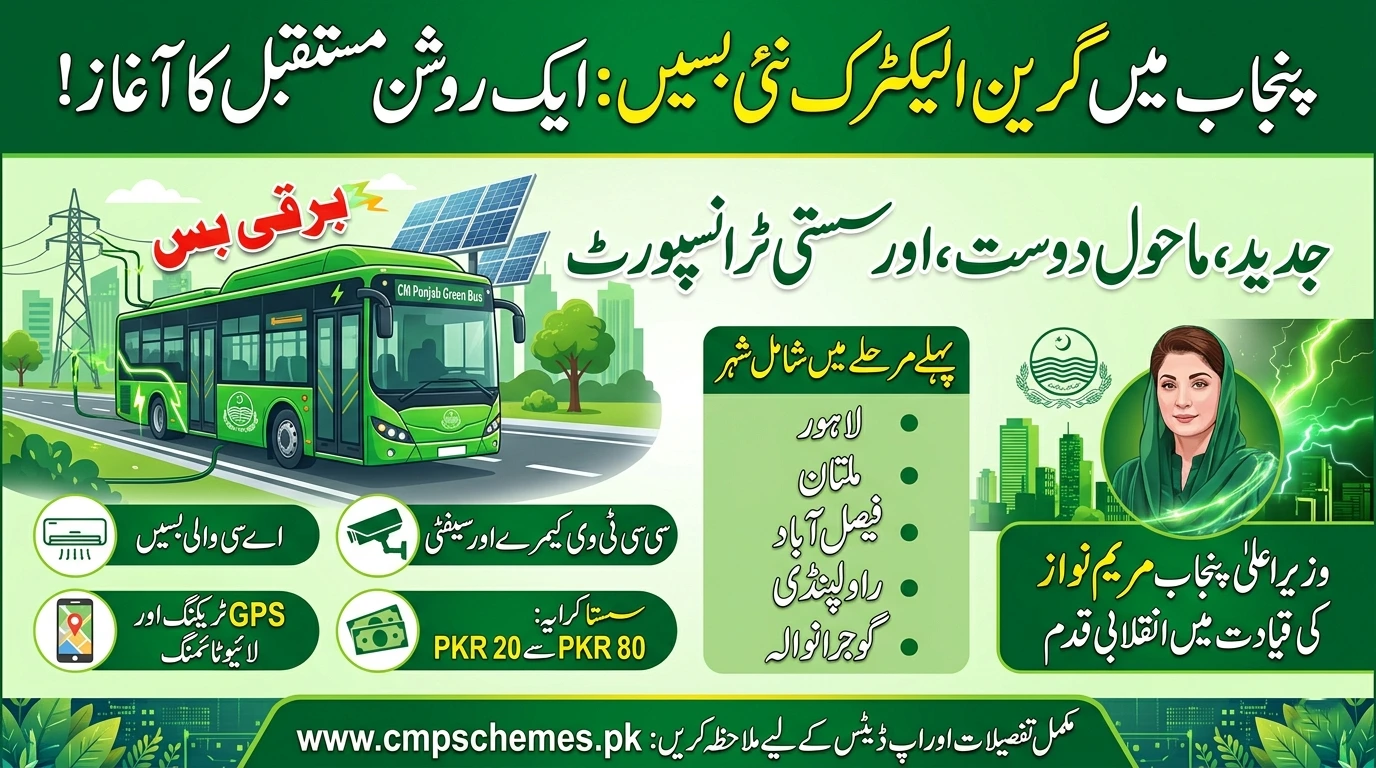
The launch of green electric new buses in Punjab 2026 marks a major shift toward modern, eco-friendly public transport in the province. With increasing traffic, rising fuel costs, and growing pollution levels, this initiative aims to provide a cleaner, smarter, and more affordable commuting option for millions of people and visit this blog for Punjab School Timings.
Introduced under the leadership of Chief Minister Maryam Nawaz, this project is not just about adding new buses—it represents a long-term vision for sustainable urban development. By replacing traditional fuel-based transport with electric buses, Punjab is taking a strong step toward reducing pollution while improving daily travel for the public.
What is the Punjab Electric Bus Project?
The green electric new buses in Punjab 2026 are part of a larger government plan to modernize the transport system using clean energy. These buses run entirely on electricity, which means they produce zero emissions and significantly reduce environmental damage.
But the project is not only about sustainability—it also focuses on passenger comfort and safety. Each bus is designed to offer a modern travel experience, making public transport more attractive for daily commuters.
Instead of outdated and overcrowded buses, passengers can expect a system that is efficient, reliable, and technologically advanced.
Key Features of Electric Buses in Punjab
The new electric buses are equipped with modern facilities that improve both safety and comfort. Rather than listing everything in a long format, here’s a simple overview:
| Feature | Details |
| Energy Type | Fully Electric (Zero Emissions) |
| Cooling System | Air Conditioned |
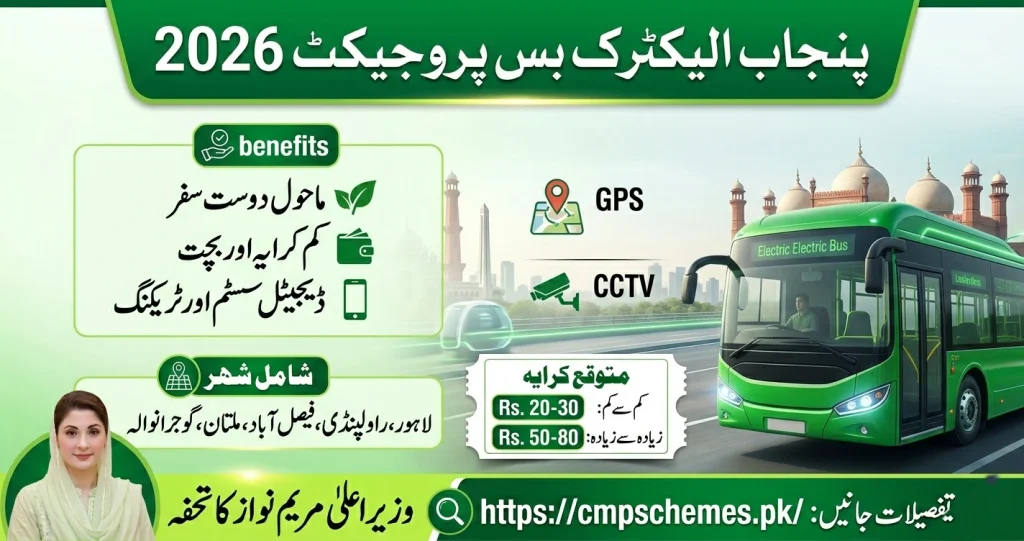
| Safety | CCTV Cameras + Monitoring |
| Tracking | GPS Enabled |
| Payment | Digital Fare System |
| Seating | Comfortable & Modern Design |
These features make the green electric new buses in Punjab 2026 a major upgrade compared to traditional public transport options.
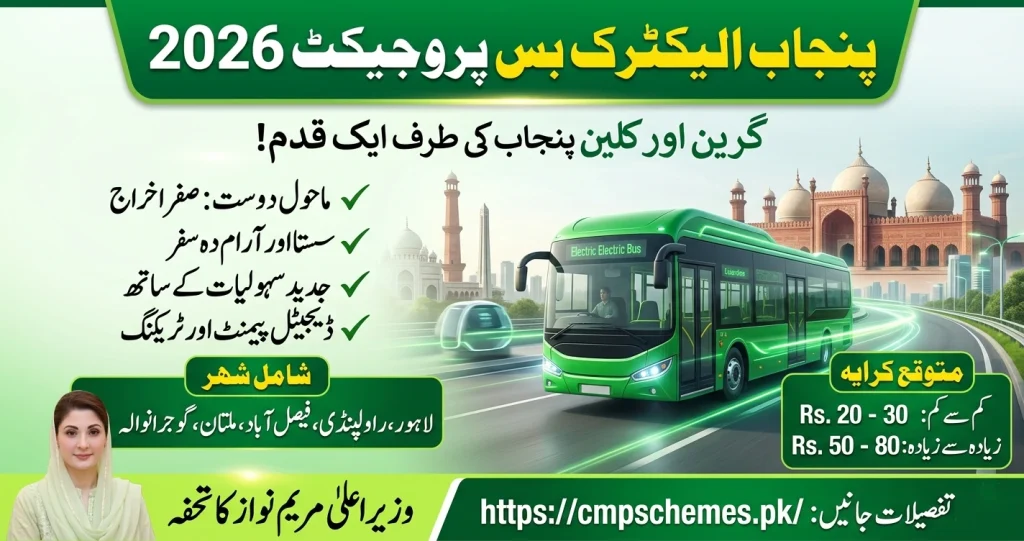

Cities Included in the Electric Bus Project
The rollout of the project is being done in phases to ensure smooth implementation. In the first phase, the focus is on major cities where traffic congestion and pollution are highest.
Phase 1 Cities
- Lahore
- Rawalpindi
- Faisalabad
- Multan
- Gujranwala
These cities have been prioritized due to their population size and transport demand.
Phase 2 Expansion
After successful implementation, the project will expand to more districts, including cities like Sialkot, Bahawalpur, and Sargodha. Over time, the government plans to extend the network across most parts of Punjab.
This phased approach ensures that the system remains efficient and manageable while expanding.
Electric Bus Routes in Major Cities
One of the most important aspects of the green electric new buses in Punjab 2026 project is route planning. The routes are designed to connect busy areas, including residential zones, commercial centers, and educational institutions.
In cities like Lahore, routes are expected to link major entry and exit points of the city, making it easier for people to travel long distances. Similarly, in Multan and Faisalabad, routes will focus on connecting key roads and high-traffic areas.
The goal is simple: reduce travel time and provide maximum accessibility for daily commuters.
Bus Timings and Frequency
A reliable schedule is essential for any public transport system, and the electric bus project is designed with this in mind.
The buses are expected to operate throughout the day, covering peak and off-peak hours efficiently. During busy hours, buses will arrive more frequently to handle increased passenger demand, while off-peak timings will still ensure regular service.
Here’s a simplified view:
| Time Period | Expected Operation |
| Morning | 6:00 AM – 10:00 AM |
| Afternoon | 12:00 PM – 4:00 PM |
| Evening | 5:00 PM – 10:00 PM |
Passengers will also be able to track buses in real time using mobile apps, reducing waiting times and uncertainty.
Smart Route Maps and Digital Integration
A major advantage of the green electric new buses in Punjab 2026 system is its digital integration. Instead of relying on guesswork, passengers will have access to accurate, real-time information.
Through mobile applications and digital displays, users can:
- Check route maps before leaving home
- Track bus locations live
- View estimated arrival times
- Plan their journeys more efficiently
This level of convenience brings Punjab closer to a smart transport system similar to developed cities.
Fare Structure and Affordability
One of the biggest concerns for commuters is cost, and the government has addressed this by keeping fares affordable.
Although final fares may vary by route and distance, the expected range is designed to be budget-friendly so that everyone can benefit from the service.
| Fare Type | Estimated Cost |
| Minimum Fare | PKR 20–30 |
| Maximum Fare | PKR 50–80 |
There are also strong chances of discounted fares for students, senior citizens, and daily commuters, making the system even more accessible.
Environmental Impact of Electric Buses
The environmental benefits of the green electric new buses in Punjab 2026 initiative are significant. Unlike traditional buses that rely on diesel or petrol, electric buses help reduce harmful emissions.
This leads to:
- Cleaner air in major cities
- Reduced noise pollution
- Lower carbon footprint
- Less dependence on imported fuel
In a province where air quality has been a major concern, this initiative can play a key role in improving overall environmental health.
Social and Economic Benefits
Beyond environmental impact, the project also offers strong social and economic advantages.
For daily commuters, especially students and working individuals, the system provides a reliable and comfortable mode of transport. It also improves safety, particularly for women, by offering monitored and secure travel.
From an economic perspective, the project is expected to create jobs, reduce fuel expenses, and support infrastructure development. Over time, it can contribute to a stronger and more stable local economy.
Charging Infrastructure and Technology
To support electric buses, the government is developing modern charging infrastructure across Punjab. This includes fast-charging stations at bus depots and dedicated maintenance facilities.
Future plans may also include solar-powered charging systems, which would further enhance sustainability and reduce operational costs.
This infrastructure is essential to ensure that buses operate smoothly without interruptions.
Challenges and Future Vision
While the green electric new buses in Punjab 2026 project is promising, it does come with challenges. High initial investment and infrastructure development are key hurdles, along with the need to educate the public about the new system.
However, the long-term vision remains strong. The government plans to expand the network to smaller cities, integrate it with existing transport systems, and introduce feeder routes for better connectivity.
These steps will help create a fully connected and efficient transport network across Punjab.
Conclusion
The introduction of green electric new buses in Punjab 2026 is a game-changing step toward modern, sustainable public transport. By combining affordability, technology, and environmental responsibility, this initiative has the potential to transform how people travel across the province.
For millions of commuters, this means safer, cleaner, and more reliable transportation. And for Punjab as a whole, it marks the beginning of a smarter and greener future.
FAQs
What are green electric buses in Punjab?
They are eco-friendly buses powered by electricity, introduced to reduce pollution and improve public transport.
Which cities are included first?
Major cities like Lahore, Multan, Faisalabad, Rawalpindi, and Gujranwala are part of the first phase.
Are electric buses affordable?
Yes, fares are expected to be economical, starting from around PKR 20.
How can I check routes and timings?
You can use mobile apps, websites, or digital displays at bus stops.
What are the main benefits of this project?
Cleaner environment, better transport, reduced costs, and improved passenger experience.
